
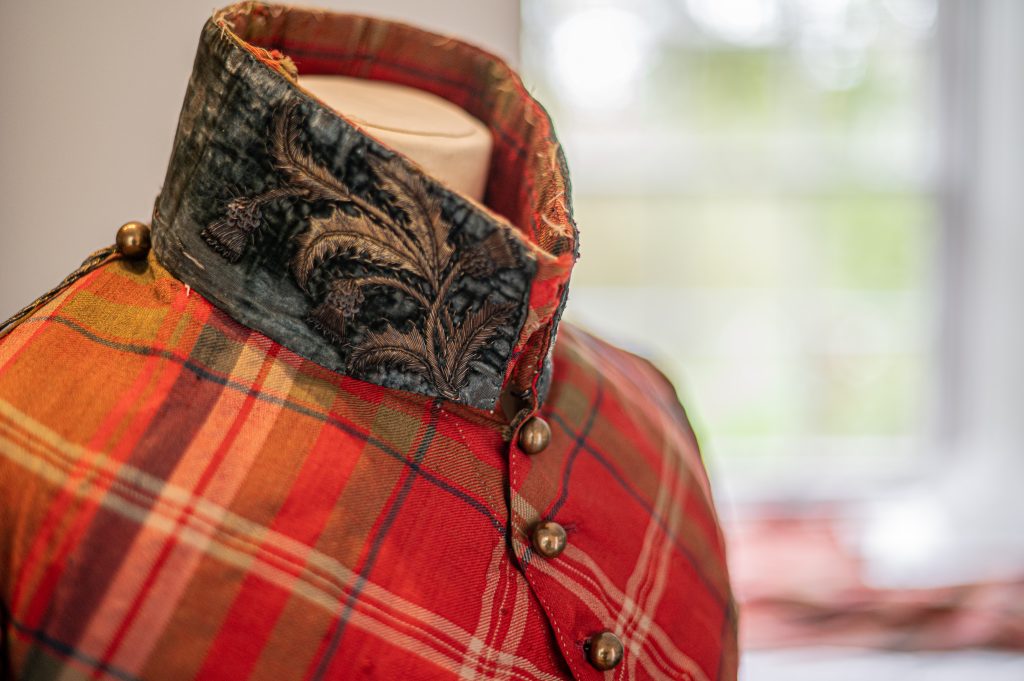
A Short History of Clan MacDougall
Clan MacDougall is one of the oldest of the Highland kindreds, with roots in the Norse-Gael world that ruled the western seaboard a thousand years ago.
The clan takes its name from Dougall, son of the great warlord Somerled. After Somerled was killed at the Battle of Renfrew in 1164, his lands were divided between his sons, and Dougall – whose name comes from the Gaelic dubh-gall, “dark foreigner”, a tag the Gaels gave to the Norse – inherited Argyll and a string of islands including Mull, Lismore, Jura, Tiree and Coll. His descendants took his name and have been here ever since.
Lords of Lorn
By the 13th century, the MacDougalls were the most powerful clan in the Western Highlands. Dougall’s grandson Ewan was styled “King of the South Isles”, and his successors were Lords of Lorn, holding sway over a sea-going lordship that ran from Loch Awe to the outer isles. Duncan and Ewan MacDougall built or strengthened a remarkable string of castles to defend it – Dunstaffnage, Dunollie and Duntrune in the mainland, and Aros, Cairnburgh, Dunchonnel and Coeffin in the islands. Most still stand, in one shape or another.
The clan motto, Buaidh no Bàs – “Victory or Death” – belongs to that era, and so does the most famous MacDougall heirloom, the Brooch of Lorn. Tradition says it was torn from Robert the Bruce’s cloak at the Battle of Dalrigh in 1306, when John MacDougall, Lord of Lorn, ambushed Bruce in revenge for the murder of his cousin, John Comyn. The brooch itself, examined more recently, is dated stylistically to the late 16th century, though it incorporates earlier rock-crystal charmstones – so the legend may be older than the object that now carries it.
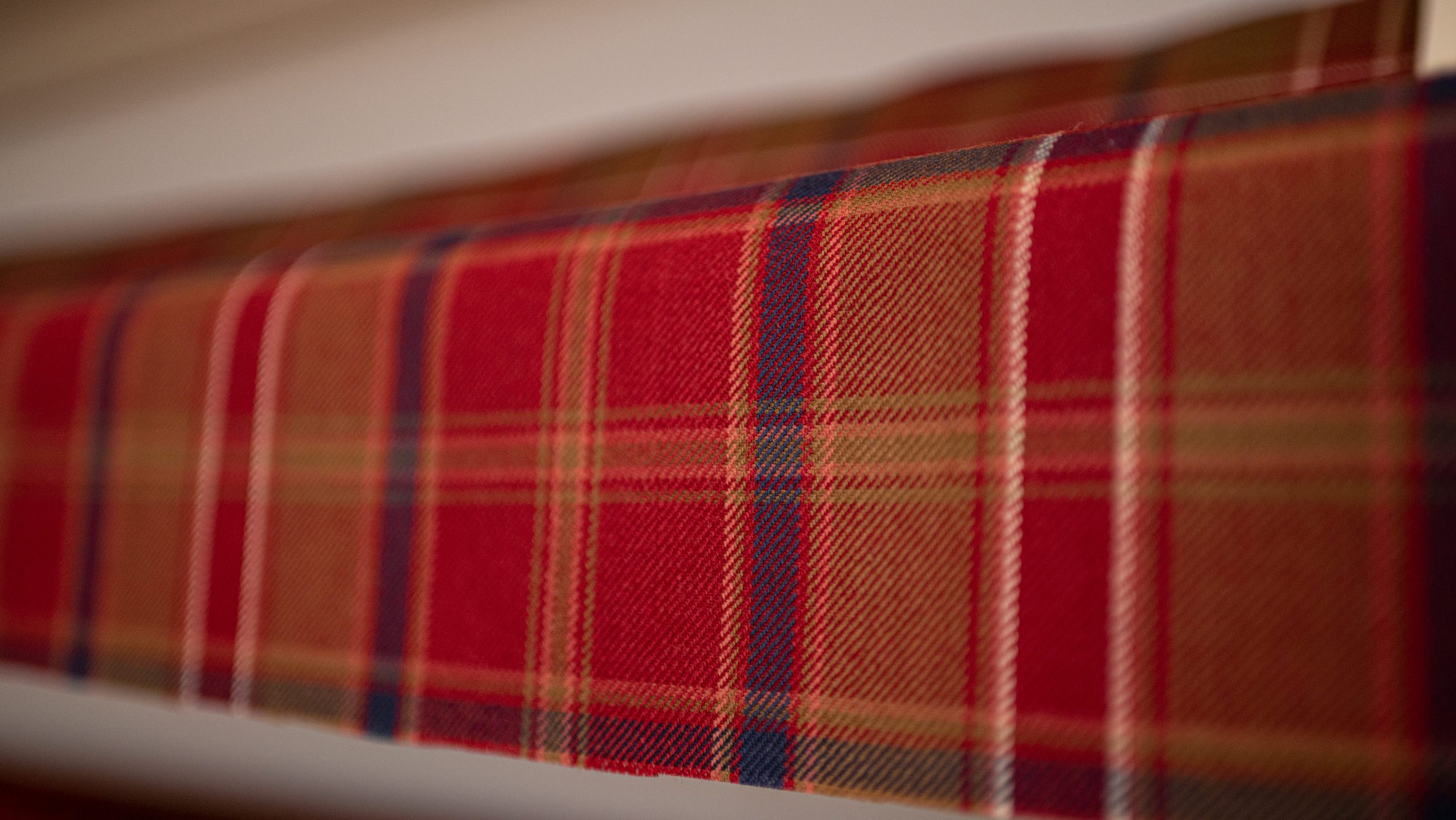
A reversal of fortune
Backing the Comyn cause put the MacDougalls on the wrong side of history. Bruce returned in 1308 and defeated them at the Battle of the Pass of Brander. The lordship of Lorn was forfeited and handed to the Campbells, who would shadow MacDougall fortunes for centuries afterwards. Some lands were recovered later in the 14th century, but the clan never regained its old dominance.
There was more to come. The Marquis of Argyll seized Dunollie in 1644 during the Covenanter Wars, and the Brooch of Lorn was carried off in a separate raid on Gylen Castle in Kerrera in 1647. Dunollie was returned to the family in 1661, but the brooch wandered for nearly two centuries before a Campbell officer’s chest gave it up after the Napoleonic Wars. It was finally handed back to the chief in 1824.
The 22nd chief, Iain Ciar, came out for the Jacobites in 1715 and again in 1745. After Culloden, the family quietly moved out of the draughty old castle and into a new Georgian house at the foot of the hill. That house, completed in 1746, still stands and is now the 1745 House Museum.
The modern chiefs
The clan came into the 20th century with its lands much reduced but its line unbroken. The 30th chief, Coline Helen Elizabeth MacDougall, was succeeded in 1990 by her niece, Madam Morag MacDougall of MacDougall and Dunollie, the 31st chief. Morag was the heart of the modern clan for thirty-five years. In 1996 she set up the MacDougall of Dunollie Preservation Trust, which turned the family’s home, museum, archive and grounds into the visitor attraction and community resource that exists today. She died on 22 January 2026, aged 86. She has been succeeded by her son, Robin MacDougall, the 32nd Chief of Clan MacDougall.
A clan that travelled
Like most Highland families, the MacDougalls scattered. Emigration, eviction and the simple hunt for work sent the name across the world, and today there are far more MacDougalls (and MacDowalls, McDougalls, McDougals, MacDowells and the rest) outside Scotland than in it. The principal diaspora body is the Clan MacDougall Society of North America, a non-profit founded in Linville, North Carolina in 1965, which represents both Clan MacDougall and the allied Clan MacDowall and celebrated its sixtieth anniversary in 2025. Septs counted within the wider clan family include Carmichael, Conacher, Cowan, Livingston, MacCulloch, MacDowell, MacEachan, MacLucas and MacLulich, among others.
Every four years, members travel from across the world to Dunollie for an International Clan Gathering – the last in 2024 brought several hundred MacDougalls to Oban for a week of walks, talks and ceilidhs. The next is already in the diary.
For all the centuries of upheaval, the clan still gathers in the same place: a clifftop above Oban Bay where Dougall’s people first raised a stronghold the better part of a thousand years ago.